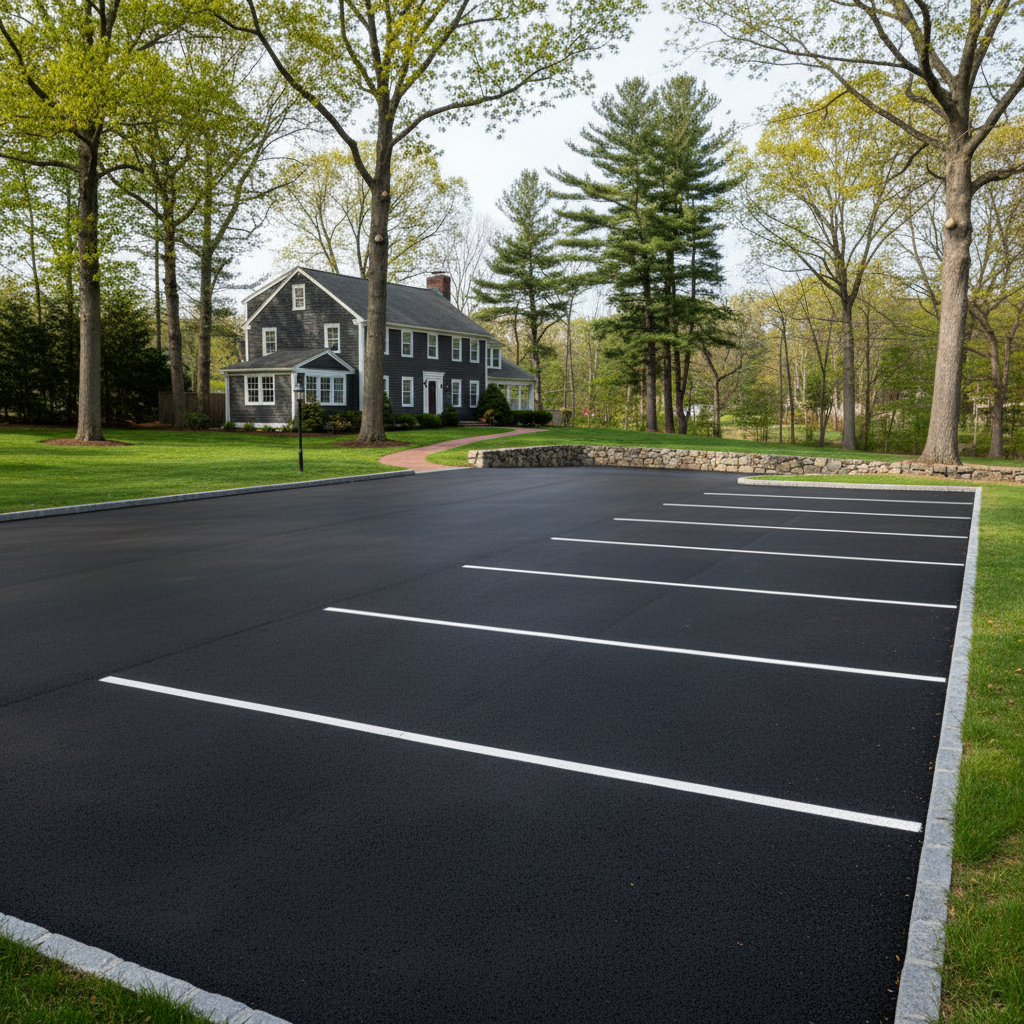
Planning a new parking lot for your home or business in Waltham can feel like a big job. You're not just laying down some asphalt; you're investing in your property's curb appeal, safety, and functionality. I've seen a lot of projects come and go over the years, and I want to give you a straightforward guide on what to expect, how to get ready, and what to ask so you don't get caught off guard.
Your Paving Project Timeline: What to Expect
Let's talk about timing. This isn't a quick weekend DIY. From your first thought to the final stripe, a paving project has several stages, and each takes time. You'll want to start thinking about this a few months out, especially if you're aiming for a specific season.
- Initial Inquiry & Quote: This is where you call us or another contractor. We'll come out, take a look at your site, discuss your needs, and give you an estimate. This usually takes a few days to a week after our visit.
- Permits & Approvals: Depending on the size and scope of your parking lot, especially if it involves drainage changes or is a commercial property, you might need permits from the City of Waltham. This can be the biggest variable, sometimes taking weeks or even a couple of months. Don't skip this step; it'll bite you later.
- Scheduling: Once you've got your quote approved and any necessary permits in hand, we'll get you on the schedule. Good contractors are busy, especially during peak seasons (spring and fall here in New England), so don't expect next-day service. It could be a few weeks out.
- Construction Phase: This is the actual work. For a typical residential parking lot, we're usually talking a few days to a week. Larger commercial lots will take longer. This includes excavation, base preparation, laying the asphalt, and compaction.
- Curing & Use: After the asphalt is laid, it needs time to cure. You generally can't drive on it for at least 24-72 hours, and it's best to avoid heavy vehicles for a week or more. We'll give you specific instructions.
Factor in our unpredictable Waltham weather too. Rain delays are common, especially in spring, and we can't pave in freezing temperatures. So, a project you think will take two weeks might stretch to three or four if Mother Nature decides to throw a wrench in things.
Preparing Your Site for Paving Day
Once we've got a date set, there are a few things you can do to make sure everything goes smoothly. This helps us work efficiently and keeps your costs down.
- Clear the Area: Remove anything that's in the way. That means cars, boats, trailers, planters, basketball hoops, even garden gnomes. If it's not bolted down, move it.
- Mark Utilities: If you know where any underground sprinkler lines, invisible dog fences, or shallow utility lines are, mark them clearly. We'll call Dig Safe, but they only mark major utilities. Your private lines are your responsibility.
- Inform Neighbors: Especially if your project is going to be noisy or block access temporarily, give your neighbors a heads-up. A little courtesy goes a long way.
- Plan for Access: You won't be able to use your parking lot during the work, and sometimes for a few days after. Figure out where you'll park your vehicles.
- Protect Landscaping: If you have plants or structures right next to the paving area you want to keep pristine, let us know. We'll do our best, but sometimes a little extra protection on your end helps.
Key Questions to Ask Before You Sign That Contract
This is where you protect yourself and ensure you're getting a quality job. Don't be shy about asking these; any reputable contractor, like us at Absolute Asphalt, will be happy to answer them.
- What's included in the price? Make sure the quote details everything: excavation, base material, asphalt thickness, number of layers, compaction, drainage, and any striping or sealing. Don't assume anything.
- What kind of base material will you use, and how thick will it be? The base is critical for a long-lasting parking lot. Here in Waltham, with our clay soils in some areas, a good, well-compacted gravel base is non-negotiable.
- How thick will the asphalt layer be? For residential driveways, 2-3 inches of compacted asphalt is common. For commercial parking lots with heavier traffic, you'll need more.
- What's your warranty? A good contractor stands behind their work. Ask about the length of the warranty and what it covers.
- Are you licensed and insured? This is a must. Ask for proof of liability insurance and workers' compensation. You don't want to be on the hook if someone gets hurt on your property.
- Can you provide references? Ask for contact information for a few recent customers. Call them and ask about their experience.
- What's your payment schedule? Reputable contractors usually don't ask for the full amount upfront. A deposit is common, with the balance due upon satisfactory completion.
- How do you handle drainage? Proper drainage is key to preventing water damage and extending the life of your parking lot. Make sure they have a plan for directing water away from your building and other structures.
- What's the cleanup process? We'll leave your property tidy, but it's good to confirm what you can expect in terms of debris removal.
Taking the time to plan and ask the right questions upfront will save you headaches and money down the road. A well-paved parking lot is a solid investment, and with a little preparation, you'll be enjoying it for years to come.