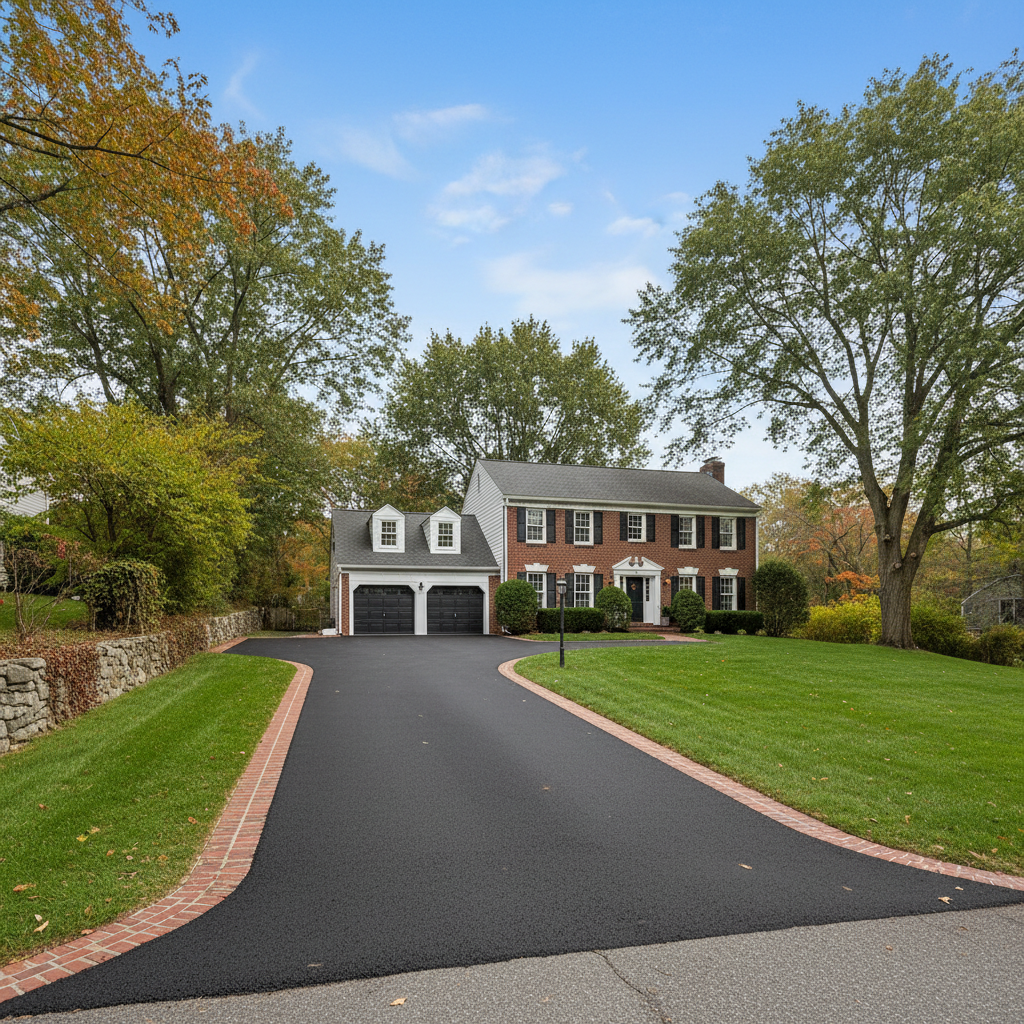
Ever wonder why your asphalt driveway seems to take a beating here in Waltham? It's not just your imagination. Our New England weather, especially those brutal freeze-thaw cycles, can really do a number on pavement. As someone who's been laying and repairing asphalt around here for years, I've seen it all, from cracks appearing overnight to driveways that just don't hold up. Let's talk about what our local climate means for your residential asphalt and how you can protect your investment.
When's the Best Time for Asphalt Work?
This is probably the most common question I get. For new installations or major repairs, spring, summer, and early fall are your sweet spots. You need consistent temperatures for the asphalt to cure properly. We're talking daytime temps usually above 50 degrees Fahrenheit, and ideally, not dropping too far below that at night. If it's too cold, the asphalt cools too quickly, making it harder to compact correctly and leading to a weaker, less durable surface.
Think about it: if we're paving in, say, November, and then we get a sudden cold snap, that asphalt isn't going to bond as well. You might see issues develop faster. That's why I always recommend getting on the schedule early for spring or summer. You'll get the best results, and honestly, it makes my job easier too.
Weather Conditions That Matter
Beyond just temperature, rain is a big one. You can't pave on wet ground. Period. The base needs to be dry for proper adhesion and compaction. If there's moisture trapped underneath, it can lead to premature cracking and deterioration. I've had to reschedule jobs plenty of times because of an unexpected downpour, and while it might be inconvenient, it's always better to wait for the right conditions than to rush a job that won't last.
Humidity can also play a role, especially for sealcoating. High humidity means it takes longer for the sealcoat to dry and cure. You want clear, dry days for that protective layer to really do its job. If you're near the Charles River or in a low-lying area, you might notice higher humidity levels that need to be considered.
Protecting Your Investment Year-Round
Okay, so you've got a great new driveway from Absolute Asphalt, or maybe you just had some repairs done. Now what? The work isn't over just because we've packed up our equipment. Here's how you keep that asphalt looking good and lasting long:
- Sealcoating: This is your first line of defense. I usually recommend sealcoating every 2-3 years, depending on traffic and sun exposure. It protects against UV rays, water penetration, and chemicals like oil and gas. Think of it like sunscreen for your driveway.
- Crack Sealing: Don't ignore those small cracks! They're like open invitations for water to get underneath your asphalt. When that water freezes and expands, it turns a small crack into a big pothole. Get them filled as soon as you notice them. It's a cheap fix now, but a costly repair later.
- Drainage: Make sure water is draining away from your driveway, not pooling on it. If you have low spots where water collects, that's a recipe for disaster. We can often address these during installation, but if you notice new pooling, it's worth looking into.
- Edging: Keep grass and weeds from growing into the edges of your driveway. Their roots can push up the asphalt and create cracks. A little maintenance goes a long way here.
- Snow Removal: Be careful with plows and shovels. Try not to scrape the asphalt directly. If you use de-icers, opt for ones that are asphalt-friendly. Salt can be pretty harsh on the surface over time.
Look, your driveway is a big part of your home's curb appeal and functionality. Taking a little time to understand how our Waltham climate impacts it, and then taking some proactive steps, will save you a lot of headaches and money down the road. If you've got questions about your specific driveway or need a quote, just give us a shout. That's what we're here for.