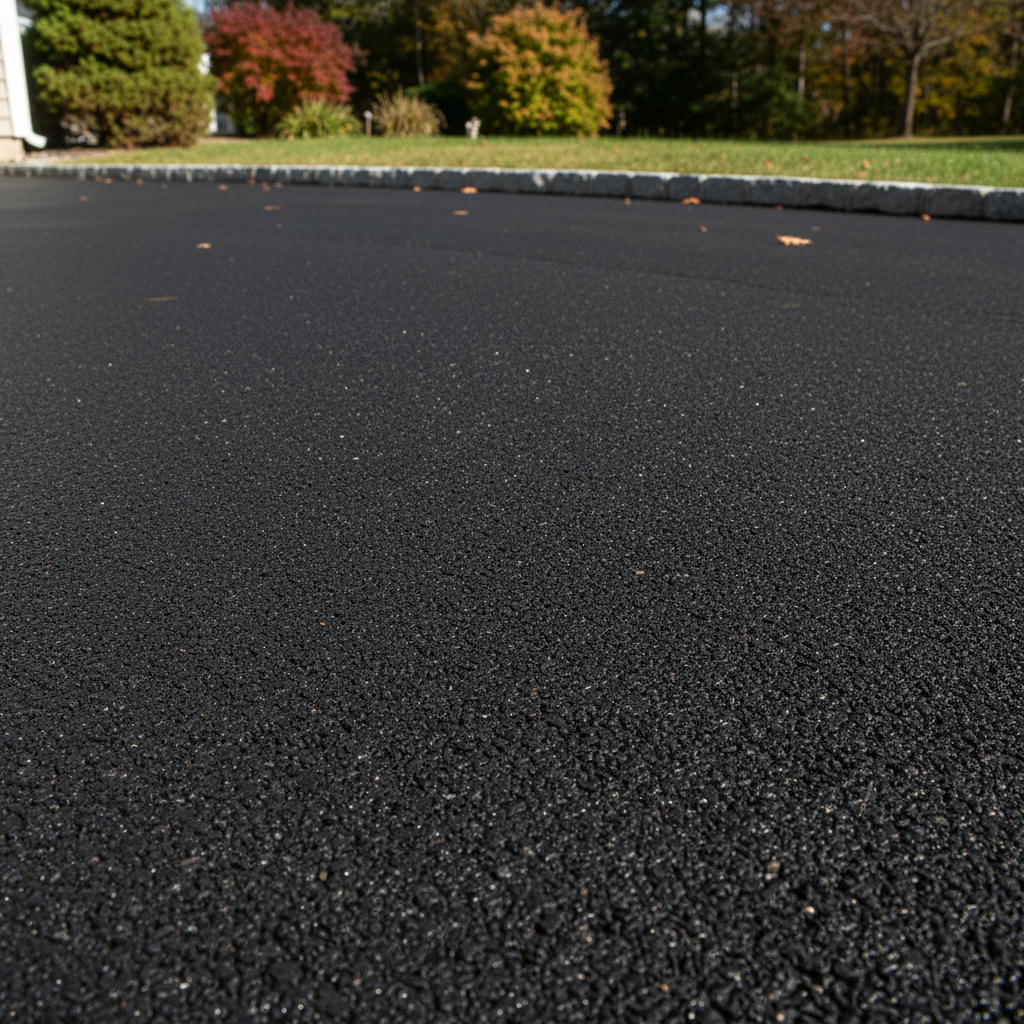
So, you're looking at your driveway and thinking it's time for some serious work. Maybe it's got more cracks than a spiderweb, or maybe it's just old and tired. Getting a new asphalt driveway, or even a big repair, isn't something you do every day, so it's natural to have questions. I've been doing this for a long time here in Waltham, and I've seen it all. Let's talk about what you really need to know, from the moment you start thinking about it until the job's done and you're enjoying that fresh, black surface.
Before the Shovel Hits the Ground
First things first: what kind of shape is your existing driveway in? Is it just surface cracks, or are we talking about huge potholes and areas that are sinking? This makes a big difference in what kind of work you'll need. If it's just surface stuff, you might be able to get away with some patching and sealcoating. But if the base underneath is shot, you're probably looking at a full remove and replace.
You also need to think about drainage. This is huge, especially with our New England weather. Does water pool anywhere on your current driveway? Does it run towards your house or garage? A good asphalt job isn't just about putting down black stuff; it's about making sure water goes where it's supposed to go. We often see issues in areas like the Highlands where older homes might have driveways sloping directly into basements if not properly graded. If you're doing a full replacement, that's the perfect time to fix any drainage problems. You can try to eyeball this yourself after a good rain, but a pro will use levels and experience to really map it out.
Permits. Don't forget about permits. For a simple overlay or sealcoat, you usually don't need one. But if you're changing the footprint of your driveway, altering drainage significantly, or doing a full tear-out and rebuild, you might need to check with the Waltham Building Department. It's always better to ask first than to get hit with a stop-work order later.
During the Project: What to Expect and What You Can Do
Once you've decided on the scope of work and hired a good contractor (like Absolute Asphalt, if I do say so myself), what happens next? If it's a full tear-out, we'll be breaking up the old asphalt and hauling it away. This part is noisy and dusty, so be prepared for that. You can't really do much here yourself, unless you've got heavy machinery and a commercial driver's license for hauling debris. Trust me, leave the demolition to the pros.
Then comes the base. This is the most critical part of any asphalt job, even if you never see it again. We'll lay down and compact a gravel base. This is what provides the structural integrity for your driveway. If this isn't done right, you'll have problems with cracking and settling pretty quickly. Again, this isn't a DIY job. It needs specific materials, heavy compaction equipment, and an understanding of proper grading.
Laying the asphalt itself is a pretty quick process once everything else is prepped. We bring in hot asphalt, spread it with a paver, and then compact it with rollers. This is definitely not a DIY project. Hot asphalt is dangerous, and getting an even, smooth, properly compacted surface needs specialized equipment and experienced crews. You'll want to make sure the crew is careful around your landscaping and any existing structures. It's a good idea to clear the area of anything valuable or fragile before they start.
After the Job: Curing and Care
Okay, the new asphalt is down, and it looks fantastic. Now what? The most important thing is patience. You absolutely cannot drive on it right away. We usually recommend staying off it for at least 24-48 hours, sometimes longer if it's a particularly hot day. Asphalt needs time to cure and harden. If you drive on it too soon, especially with heavy vehicles, you'll leave tire marks and indentations that will be there forever.
For the first few weeks, be gentle. Avoid turning your wheels sharply when the car is stationary – that's called power steering marks, and it can scuff the fresh asphalt. Try not to park heavy vehicles like RVs or boats on it for extended periods during the first month or two, especially in direct sunlight. The asphalt is still somewhat pliable. You might see some minor imperfections or slight color variations, which is normal as it cures.
What about ongoing maintenance? You can sweep it to keep it clean, and make sure any oil or gas spills are cleaned up quickly. Those can degrade asphalt over time. You'll also want to keep an eye out for small cracks developing. Catching them early with a good crack filler can prevent them from becoming bigger problems that let water get under your base.
Sealcoating is something you'll want to consider typically a year after installation, and then every 2-3 years after that. It protects the asphalt from UV rays, water, and chemicals, extending its life significantly. While some homeowners try to DIY sealcoating, getting a really professional, even coat without streaks or puddles is harder than it looks. For the best results and longevity, I'd always recommend having a pro do it.
Look, a new asphalt driveway is a big investment, but it adds curb appeal and functionality to your home. Knowing what to expect and when to call in the experts will save you headaches and money in the long run. If you've got questions about your Waltham driveway, don't hesitate to reach out.