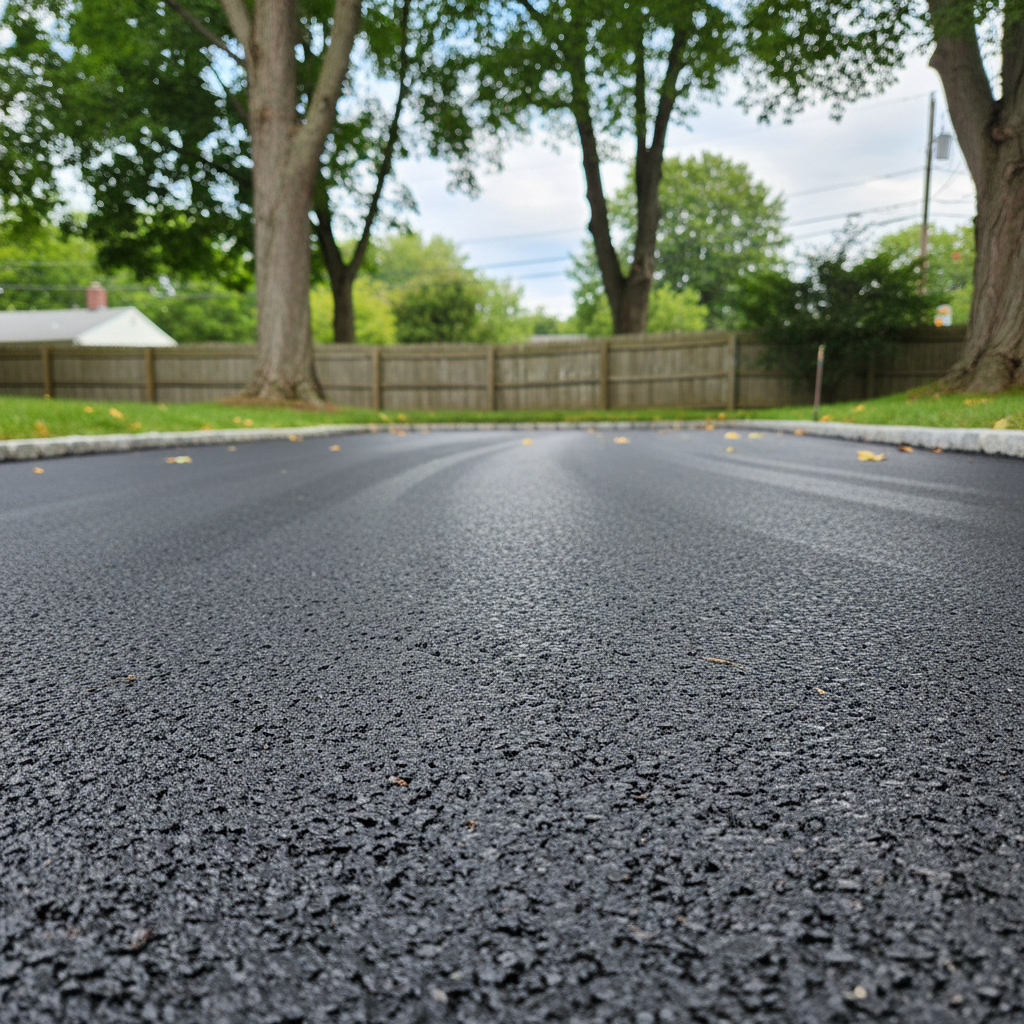
Thinking About a New Asphalt Driveway?
So, you're looking at your driveway and thinking it's time for an upgrade, or maybe you're putting in a new one entirely. That's a big project, no doubt, and it's natural to wonder what you can tackle yourself to save a few bucks and what absolutely needs a professional touch. I see it all the time here in Waltham, especially with the way our New England winters beat up pavement. Let's break down what you really need to know before, during, and after an asphalt paving job.
Before You Start: Planning and Preparation
This is where a lot of folks get tripped up. A good asphalt driveway isn't just about dumping hot stuff on the ground; it's all about the foundation. You wouldn't build a house on sand, right? Same goes for your driveway, believe me.
- Site Assessment: Take a good, hard look at your current situation. Is it just a patch job you need, or a full tear-out and replace? Are there drainage issues? Water is asphalt's worst enemy. If you've got puddles forming after a rain, that's a red flag you absolutely need to address. You might need to regrade the area slightly to make sure water flows away from your house and foundation.
- Permits: Don't skip this step. Seriously. Depending on the size and scope of your project — especially if you're changing the footprint or impacting drainage — you might need a permit from the City of Waltham. A quick call to the building department can save you a huge headache down the road.
- Excavation & Base Layer (DIY vs. Pro): This is probably the most critical step of all. If you're just repaving over an existing, solid asphalt base, you might be able to clean it up yourself. But if you're starting from scratch or have a severely damaged base, you're looking at serious excavation. You need to dig down, remove all organic material, and lay down a solid, compacted gravel base (usually 6-8 inches of dense grade gravel). This requires heavy machinery – excavators, compactors, and dump trucks. Unless you've got experience operating that kind of equipment and know how to properly compact a base, this is definitely a job for Absolute Asphalt or another experienced paving contractor. A poorly prepared base will lead to cracks, dips, and premature failure, no matter how good the asphalt is. Trust me, I've seen driveways fail in a couple of years because someone tried to skimp on the base.
- Drainage: Again, I can't stress this enough. If your property slopes towards your house, you might need a trench drain or proper grading. This isn't just about the driveway; it's about protecting your home, too.
During the Project: Laying the Asphalt
Now for the actual paving. This is almost always a professional job for a few key reasons.
- Hot Mix Asphalt: Asphalt isn't something you buy in a bag at Home Depot for a whole driveway. It's a hot mix, delivered by specialized trucks, and it cools fast. You need a crew that can spread, level, and compact it quickly and efficiently before it sets.
- Equipment: Pavers, rollers, and skilled operators are essential. Getting a smooth, consistent surface with proper compaction is an art and a science. Without the right equipment and expertise, you'll end up with an uneven, weak surface that just won't last.
- Thickness: For a residential driveway, you're typically looking at 2-3 inches of compacted asphalt on top of that solid gravel base. A professional will know the right thickness for your specific use and local conditions.
- Edges: Clean, strong edges are important for the longevity and appearance of your driveway. Pros use specialized techniques to ensure the edges are well-compacted and won't crumble.
What can you do during this phase? Stay out of the way! Let the pros work. You can make sure the area is clear, pets are inside, and maybe offer the crew some cold drinks. That's about it, really.
After the Paving: Curing and Maintenance
The job isn't done just because the asphalt is laid. There's a critical curing period and ongoing maintenance that you, the homeowner, are responsible for.
- Curing Time: You absolutely cannot drive on your new asphalt driveway for at least 3-7 days, sometimes longer depending on the weather and mix. It needs time to harden and cure. If you drive on it too soon, especially with heavy vehicles, you'll create ruts and indentations that are permanent. Avoid parking heavy vehicles in the same spot for extended periods during the first few weeks, especially during hot weather.
- Watering: Some contractors — myself included — recommend lightly watering your new driveway with a hose for the first few days, especially if it's hot and sunny. This helps the asphalt cure more slowly and evenly, preventing premature cracking.
- Sealcoating: After 6-12 months, your new driveway will be ready for its first sealcoat. This protective layer extends the life of your asphalt by shielding it from UV rays, water penetration, and chemicals like oil and gas. You can definitely DIY sealcoating if you're comfortable with a squeegee and some elbow grease. Just make sure you clean the driveway thoroughly first and apply it evenly. Or, if you prefer, Absolute Asphalt can handle that for you too.
- Crack Repair: Small cracks will eventually appear; it's just a fact of life with asphalt, especially with our freeze-thaw cycles around Waltham. Address them quickly with a good quality crack filler. Don't let them grow, or water will get in, freeze, expand, and turn a small crack into a big pothole.
- Cleaning: Keep your driveway clean. Sweep off dirt and debris regularly. Clean up oil and gas spills immediately, as they can break down the asphalt binder.
Look, a new asphalt driveway is a significant investment. Doing the prep work right and understanding the limitations of DIY versus professional work will save you money and headaches in the long run. Don't be afraid to ask your contractor questions. We're here to make sure you get a driveway that lasts.