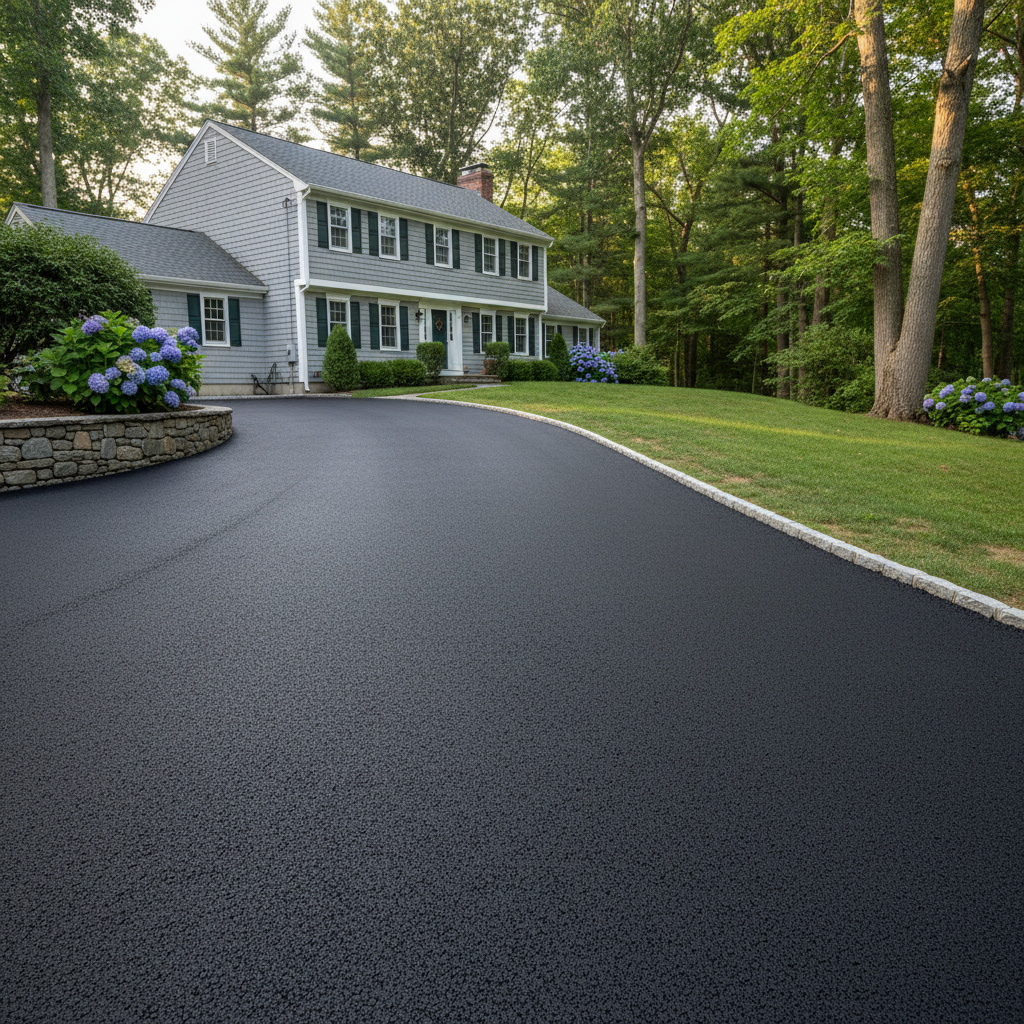
Alright, let's talk about putting down some fresh asphalt. If you're thinking about a new driveway or a complete tear-out and replace job right here in Waltham, one of the first things that probably pops into your head is, "How much is this actually going to cost?" That's a totally fair question, and honestly, it's not always a super straightforward answer because there are a lot of moving parts. But I can definitely give you some solid numbers and tell you what to keep an eye out for.
What Makes the Price Tag Go Up or Down?
When I give you a quote, I'm not just pulling a number out of thin air, you know? There are a few key things that really decide the final price:
- Size and Scope: This is the big one, obviously. A small, single-car driveway will cost a lot less than some sprawling circular drive with extra parking. It's not just square footage, though. Are we simply paving over an existing gravel base, or do we need to dig everything out and build a brand-new sub-base from scratch?
- Existing Conditions: This is huge. If your current driveway is a total mess — cracked, uneven, poor drainage, or a crumbling old gravel base — we've got more work to do before we even think about laying asphalt. We might need to dig out old material, haul it away, and then bring in new, compacted gravel. Sometimes I see properties around the Cedarwood area with pretty rocky soil, which can definitely add to excavation time and cost if we're digging deep.
- Asphalt Thickness: Most residential driveways I do around here get 2 to 3 inches of compacted asphalt. But if you've got heavy vehicles, like an RV or a work truck, you might actually need 4 inches or more. More asphalt means more material and more time on the roller, so it ends up costing more.
- Drainage and Grading: Proper drainage is absolutely critical. You really don't want puddles just sitting on your new driveway, especially with our Massachusetts winters. If your property needs a lot of grading work to make sure water runs off correctly, that'll be part of the cost. Sometimes, we even need to install catch basins or French drains, which are extra expenses.
- Accessibility: Is your driveway easy for our heavy equipment to get to? Tight spaces, steep inclines, or obstacles can make the job take longer and require more specialized maneuvers, which bumps up labor costs.
- Material Costs: The price of asphalt itself goes up and down with oil prices. I'm always keeping an eye on that, because it directly affects what I pay for the material.
Typical Cost Ranges for Waltham Driveways
Okay, let's get down to some actual numbers. Just remember, these are general ranges, and your specific project could be higher or lower depending on all those factors I just mentioned. These numbers are for a complete tear-out and replace, or a new installation with a proper sub-base — which, frankly, is what I usually recommend for a job that's going to last.
- Small Driveway (200-400 sq ft): Think a single-car length, maybe 10-12 feet wide. You're probably looking at anywhere from $3,000 to $6,000.
- Medium Driveway (400-800 sq ft): This is your typical two-car driveway. For this size, expect to pay roughly $5,000 to $10,000.
- Large Driveway (800-1500+ sq ft): For bigger driveways, or those with complex shapes or extra parking pads, the cost can range from $9,000 to $18,000 or even more.
These prices generally cover excavation, proper grading, a compacted gravel base, and 2-3 inches of compacted asphalt. If you're just paving over an existing *stable* gravel base, it might be a bit less, but that's something I'd really need to assess on site.
What Should Be in Your Quote?
When Absolute Asphalt gives you a quote — or any reputable company, for that matter — it should be clear and detailed. Here's what you want to see:
- Detailed Scope of Work: Exactly what's being done. Is it tear-out and replace? New installation? Just a resurface?
- Measurements: The square footage of the paved area.
- Material Specifications: The type and thickness of asphalt, plus the depth of the gravel base.
- Prep Work: What excavation, grading, and compaction they'll do.
- Drainage Solutions: Any specific plans for managing water.
- Timeline: Estimated start and completion dates.
- Warranty: What kind of guarantee do they offer on their work?
- Total Cost: A clear, itemized breakdown if possible, or at least a firm all-inclusive price.
Don't ever settle for a quote that's just a number on a napkin. You truly need to know what you're paying for.
How to Avoid Overpaying (or Getting Ripped Off)
I've seen it all over the years. Here's my advice:
- Get Multiple Quotes: This sounds obvious, but it's the absolute best way to figure out a fair market price. Get at least three detailed quotes from local, reputable contractors.
- Check References and Reviews: Don't just take their word for it. Look at their past work, read online reviews, and ask for local references.
- Ask About Insurance and Licensing: Any legitimate contractor working in Waltham should be fully insured and licensed. Don't even consider someone who isn't; you're taking a huge risk otherwise.
- Beware of "Too Good to Be True" Prices: If one quote is way lower than all the others, there's usually a reason. They might be cutting corners on materials, labor, or not including critical prep work. That cheap driveway will end up costing you more in repairs down the line, believe me.
- Don't Pay Upfront: A reputable contractor won't ask for the full payment before the work starts. A reasonable deposit is fine, but the final payment should only happen once you're satisfied with the completion.
- Understand the Contract: Read every single word. Make sure everything discussed is in writing.
A new asphalt driveway is a big investment for your Waltham home. Take your time, do your homework, and choose a contractor who values quality and stands behind their work. That's how you get a driveway that lasts.