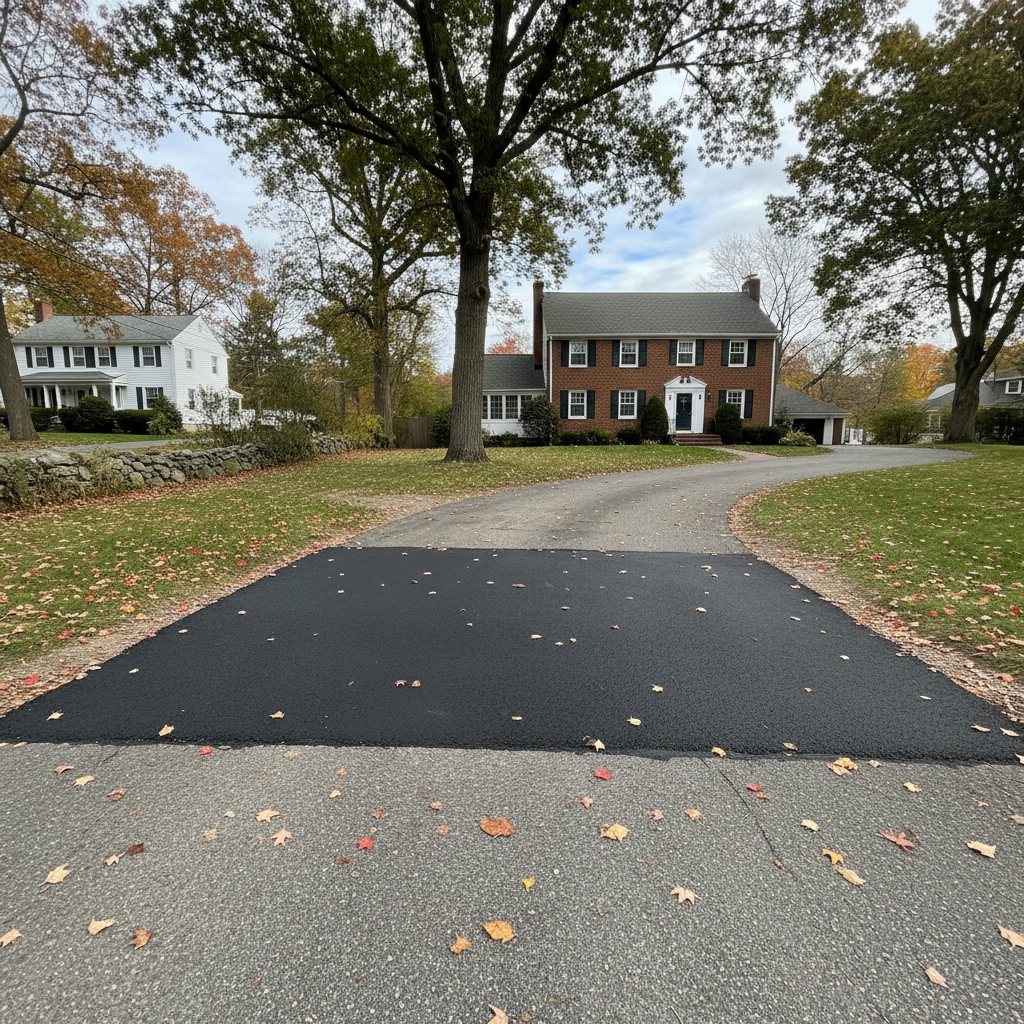
Got a pothole? Or maybe a whole spiderweb of cracks spreading across your driveway? It’s not just ugly; it’s a clear sign your asphalt needs some love. Patching isn't just about making things look decent again; it's about stopping bigger, more expensive headaches down the road. But when's the best time to actually get it done here in Waltham?
Picking the Right Time for Your Patching Project
Listen, the biggest thing for a good asphalt patch, especially around here, is the weather. You just can't slap down hot asphalt when it's freezing or pouring rain. It won't stick right, and you'll be calling us again sooner than you think. I've seen that happen way too many times.
Typically, I tell folks to shoot for spring, summer, and early fall. Think of it this way: you want warm, dry conditions. That means:
- Spring (April-May): Once the ground thaws out completely and we're past those late-season snows and heavy downpours, spring is perfect. The base under your asphalt needs to be stable and dry. If there's standing water from melted snow or those big spring showers, we simply can't do the job right. Plus, the asphalt gets a chance to cure properly before the really hot summer days kick in.
- Summer (June-August): This is truly ideal. Warm temperatures help the asphalt stay flexible and bond really well. Just keep an eye out for those pop-up thunderstorms we get. A sudden downpour can absolutely ruin a fresh patch. We’re always glued to the forecast, believe me.
- Early Fall (September-October): Still a solid window. The ground is usually dry, and temperatures are mild enough for everything to cure correctly. Once we start hitting consistent overnight lows below 50 degrees, or worse, below freezing, you're really pushing it. The material just doesn't set up the same way then.
What you absolutely want to avoid is patching in the dead of winter. That frozen ground and cold air mean the asphalt cools too fast, doesn't compact properly, and you end up with a weak spot that'll fail quickly. It's a waste of your money, and we won't even try to do it if the conditions aren't right.
How Weather Conditions Affect the Work
It's not just about the season; it's also about what's happening day-to-day. Here's what we're looking for:
- Temperature: We need air temperatures generally above 50°F (10°C). The warmer it is, the better for the asphalt to be workable and to cure correctly. If it's too cold, the asphalt gets stiff way too fast, and we can't get it compacted properly.
- Dry Conditions: This is non-negotiable. The area we're patching has to be dry. Any moisture — whether it's standing water, heavy dew, or recent rain — will stop the new asphalt from bonding to the old surface. It'll also mess with the base material. We'll often use blowers to make sure the area is bone dry before we even think about laying down hot mix.
- No Extreme Heat: While warm is good, really extreme heat (like those 90+ degree days we get in July and August) can also be tricky. It means the asphalt stays hot and soft for longer, which can be a problem if it gets heavy traffic too soon. We'll often adjust our work schedule to avoid the hottest part of the day if it's scorching outside.
We're always checking the forecast and will definitely let you know if we need to reschedule because of uncooperative weather. It's always better to wait a day or two than to do a job that won't last, wouldn't you agree?
Keeping Your Investment Safe All Year
Once your patching is done, you've taken a big step, but the work isn't totally over. You want that patch to last, and you want your whole driveway to stay in good shape. Here’s how you protect your investment:
- Give it Time: After a fresh patch, stay off it for at least 24-48 hours. If it's a really hot day, sometimes even longer. Heavy vehicles, sharp turns, or parking in one spot can leave dents in new asphalt.
- Keep it Clean: Sweep off dirt, leaves, and debris regularly. This stops organic matter from breaking down on the surface and holding moisture, which can lead to new cracks.
- Address Spills Immediately: Oil, gas, antifreeze – these things are asphalt killers. They break down the binder that holds everything together. Clean them up as soon as you spot them. A little kitty litter or absorbent material can do wonders.
- Watch for Water: Proper drainage is huge. If you've got puddles forming on your driveway, especially near the house or garage, that's a problem. Water seeping into the sub-base is the number one reason asphalt fails. Sometimes, the patching helps with this, but if your whole driveway is holding water, we might need to talk about bigger solutions. I've seen driveways on the hills of Belmont Street where water runoff is a constant battle, and managing it is absolutely critical.
- Sealcoating: This is your best friend for long-term protection. A good sealcoat every 2-3 years protects your asphalt from UV rays, water getting in, and petroleum spills. Think of it like sunscreen for your driveway. Just make sure the patches have had plenty of time to cure before you sealcoat over them – usually a few weeks to a month.
- Don't Ignore Small Issues: See a new crack forming? Don't wait until it turns into a pothole. Small cracks are much cheaper and easier to fix than large ones. A little crack filling now can save you a lot of money and headache later.
Taking care of your asphalt patching and your driveway isn't rocket science, but it does need a little attention. Do it right, and your driveway will serve you well for years. If you've got questions about patching or anything else, give us a call at Absolute Asphalt. We're here to help.