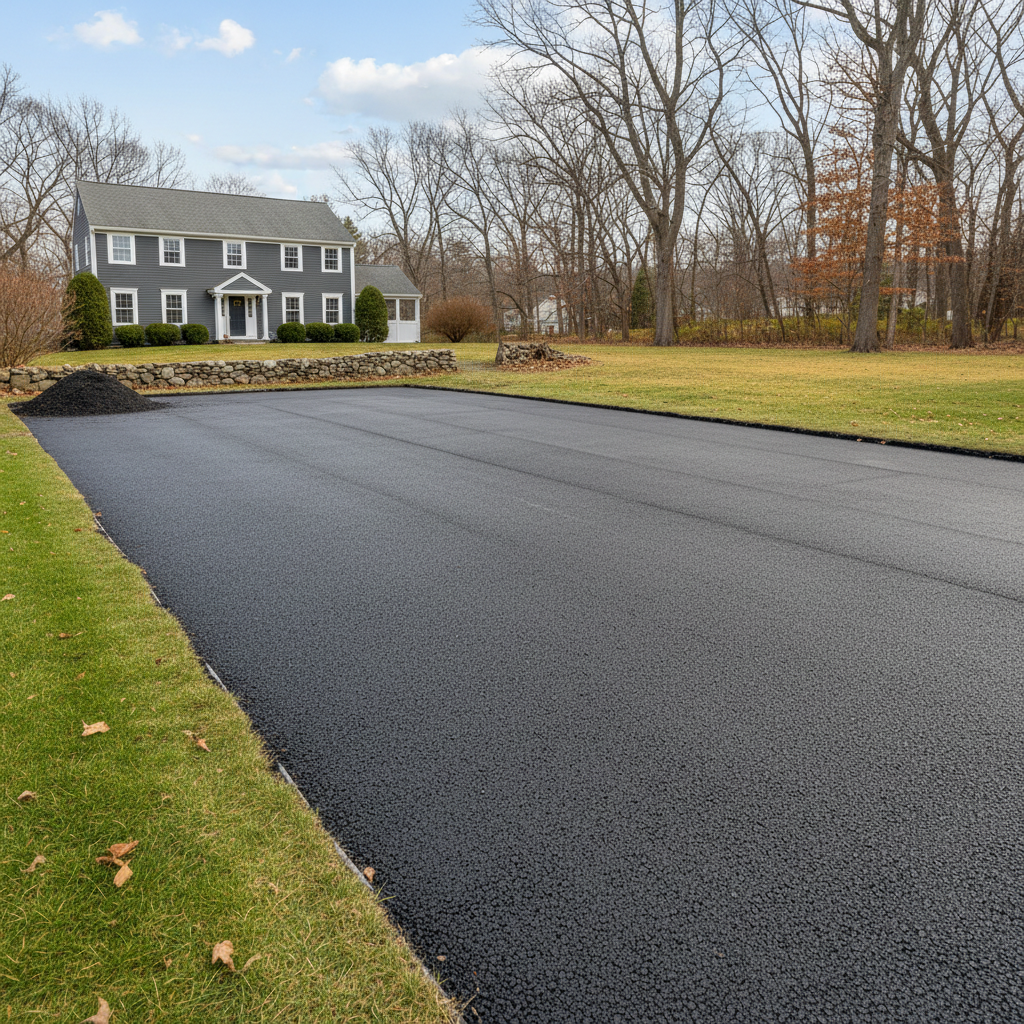
You're looking at your driveway, maybe it's got some cracks, some potholes, or just looks tired. You know milling is often the first step to getting it looking good again, but when's the best time to do it around here in Waltham? It's not just about finding a contractor; it's about making sure the conditions are right so your investment lasts.
When to Schedule Your Asphalt Milling in Waltham
Honestly, spring and fall are your best bets for asphalt milling in Massachusetts. Once the ground thaws out completely, usually late April or May, that's when we start getting busy. The temperatures are mild, which is perfect. You want the ground to be stable, not frozen solid or super saturated from winter melt.
Milling involves grinding off the top layer of your existing asphalt. If the ground underneath is still frozen or too wet, it can cause problems down the line when we go to put down the new layer. You might end up with an unstable base, which means your new driveway won't last as long as it should. We've seen it happen when folks try to rush things in early spring, or when an unexpected cold snap hits in late fall.
Fall is also great, usually from September through October. The summer heat has passed, and we're not dealing with the extreme cold yet. The ground is dry and firm. It gives the new asphalt a good chance to settle before winter hits. We generally try to avoid milling in the dead of winter unless it's an absolute emergency or a very specific project, because the cold makes the asphalt brittle and harder to work with, and the ground conditions are just too unpredictable.
Weather Conditions That Matter
Beyond just the season, daily weather plays a big part. We need dry conditions. If it's raining or we've had a lot of rain recently, the sub-base can get saturated. Milling on a wet base is a recipe for disaster. The new asphalt won't bond properly, and you'll see issues like cracking and premature deterioration much faster. We're talking about a significant investment here, so you don't want to cut corners on the weather.
Temperature also matters. Ideally, we want temperatures above 50°F for the best results, especially when we're laying down the new asphalt after milling. That's why those spring and fall windows are so crucial. If it's too cold, the asphalt cools too quickly, making it harder to compact properly. If it's too hot, like those sweltering July days we get sometimes, the asphalt can remain too soft for too long, which can lead to rutting if heavy vehicles are on it too soon.
We always keep an eye on the forecast. If we have a milling job scheduled and we see heavy rain coming, or a sudden cold snap, we'll likely call you to reschedule. It's not because we don't want to get the job done; it's because we want to do it right the first time for you. For instance, if your property is on a sloped street like some of the older homes near Prospect Hill, proper drainage and dry conditions are even more critical to prevent washouts during heavy rains.
Protecting Your Asphalt Investment Year-Round
Once your driveway is milled and repaved, you've got to protect that investment. Here's what I tell all my Absolute Asphalt customers:
Sealcoating: This is huge. After your new asphalt has had about 6-12 months to cure, get it sealcoated. It's like sunscreen for your driveway, protecting it from UV rays, water, and chemicals. You should plan to re-sealcoat every 2-3 years, depending on traffic and sun exposure.
Drainage: Make sure water isn't pooling on your driveway. Proper grading and drainage are key. If you see puddles forming, that water is slowly seeping into the sub-base, and that's how potholes start.
Edge Protection: The edges of your driveway are often the weakest points. Avoid driving heavy vehicles right along the edges, and if you have landscaping, make sure roots aren't growing under the asphalt.
Crack Sealing: Don't ignore small cracks. They might seem minor, but they're open invitations for water to get in and freeze, expanding and making the crack much worse. Get them filled promptly.
Snow Removal: Be careful with plows and shovels. Try not to scrape the surface too aggressively, especially with metal shovels or plow blades. It can gouge the asphalt and shorten its lifespan.
Taking care of your asphalt after milling isn't just about making it look nice; it's about extending its life and saving you money in the long run. We do the best we can on our end with the milling and paving, but a little care from you goes a long way.